What Actually Happens When You’ve Never Posed Before
Posing for your first boudoir photoshoot is the single biggest worry most new clients bring into a session, and it’s almost always gone within the first ten minutes. Here’s what the actual process looks like, step by step, so there are no surprises on the day.
The Directing Does the Work, Not You
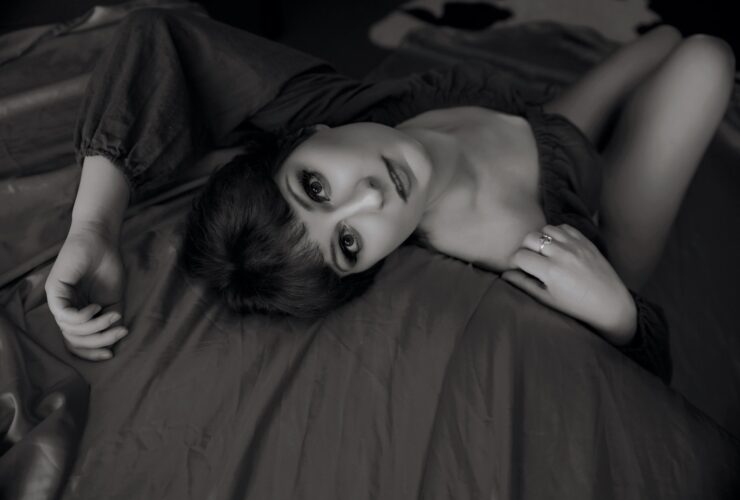
You are never handed a pose and left to figure it out. Michelle physically shows you the position, adjusts your hands, your chin, your shoulders, and checks the shot on screen before moving to the next setup. Posing for your first boudoir photoshoot is closer to being gently arranged than performing, and that distinction matters more than people expect.
What Actually Gets Said During a Session
Direction is specific and small: “chin down a little,” “shift your weight onto your back leg,” “relax your hand, don’t make a fist.” These are tiny, physical adjustments, not abstract instructions like “look sexy” or “be confident,” which are exactly the kind of vague direction that makes people freeze up in front of a camera.
The Awkward First Few Minutes
Almost everyone feels stiff and self-conscious for the first handful of shots, and that’s expected, not a problem to fix immediately. Michelle builds the first setups around easier, more forgiving poses specifically so there’s a runway to relax into, rather than throwing you into the most difficult pose of the day first.
Small Movements, Big Difference
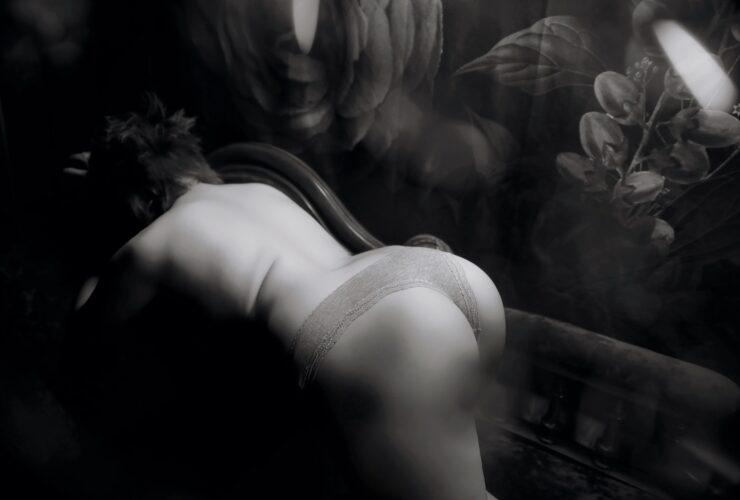
A huge part of posing for your first boudoir photoshoot is understanding that tiny shifts change everything: turning a shoulder two centimetres, dropping a chin slightly, shifting weight onto one hip. None of this requires prior modelling experience or flexibility, it’s about direction and repetition, not natural talent, the kind of hands-on guidance that comes from working with an accredited professional photographer rather than someone still learning on the job.
What Michelle Is Actually Watching For
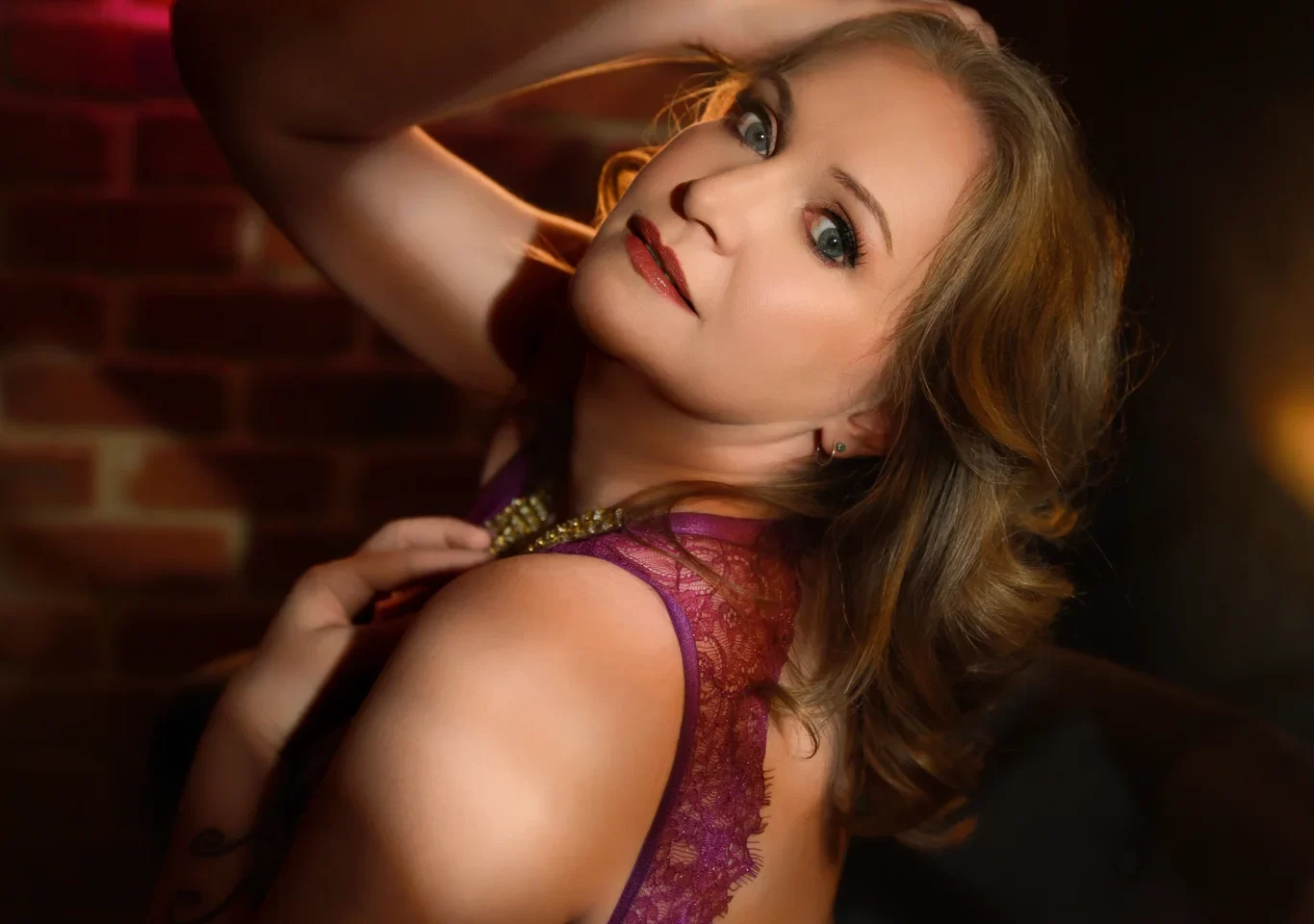
Throughout a session, Michelle isn’t just checking whether a pose looks technically correct, she’s watching for the moment your shoulders drop, your breathing slows, and your expression stops looking guarded. Those are the shots that end up being everyone’s favourites, and they only happen once posing for your first boudoir photoshoot stops feeling like a performance and starts feeling like just existing in front of a camera that’s on your side.
You Don’t Need a Pinterest Board
Some clients arrive with a folder of reference poses, and that’s genuinely fine, but it’s not necessary. Michelle already knows what works for different body types and different comfort levels, and can build a full gallery of varied, flattering images without you needing to research anything beforehand. If wardrobe is your other big worry alongside posing, it’s worth reading the full guide on what to wear as well.
Why It Gets Easier With Every Setup
Most sessions include somewhere between eight and twelve different setups, and posing for your first boudoir photoshoot almost always improves noticeably by the third or fourth one. Clients often say the same thing afterward: the photos they were most nervous about taking are the ones they end up loving most, simply because by that point they’d stopped thinking about the camera altogether. That shift doesn’t come from being naturally photogenic, it comes purely from repetition and clear, patient direction throughout the session.
First-Time Posing: Quick Answers
What if I freeze up completely?
It happens, and sessions simply pause, reset, and try a different, easier pose until you find your footing.
Do I need to practice beforehand?
No. Practising in a mirror can actually make people more self-conscious, not less.
Will the awkward shots get deleted?
Yes, you review the gallery together and only the strongest images are selected for editing.
If nerves about posing are the only thing holding you back, it’s worth reading about how every body and every comfort level is approached, or simply reach out with questions before deciding it’s not for you.